

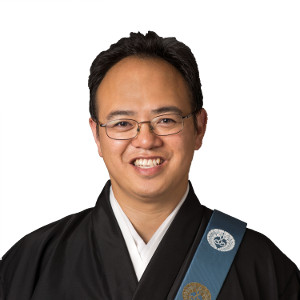
Sensei’s Message
The Year is 64!
Hello and Happy New Year! I have sat in front of this computer writing over and over again. I think about what the next 10 years will look like for our Buddhist Sect of Jodo Shinshu. What kind of hopes do I have for our temple community? I would hope that everyone will continue to come to the temple and create warm long-lasting memories together. Thanks to many of the members, there have been positive happenings. Children are able to come during the week and on the weekends for activities with their parents and grandparents. Cub Pack 79 and Girl Scout Troop 5325 are doing well with many amazing individuals to which will become inspiring leaders. The Adult Buddhist Association, or ABA, and Buddhist Women’s Association, or BWA, are planning events that will be fun and engaging while building and strengthening the bonds of all who join in on the fun. The Dharma School has been providing out-reach to our children with inciteful and entertaining Saturday and Sunday classes. The Sangha teens are always so busy with their sports and other activities, but always find the time to brighten our lives with energy, smiles, and help.
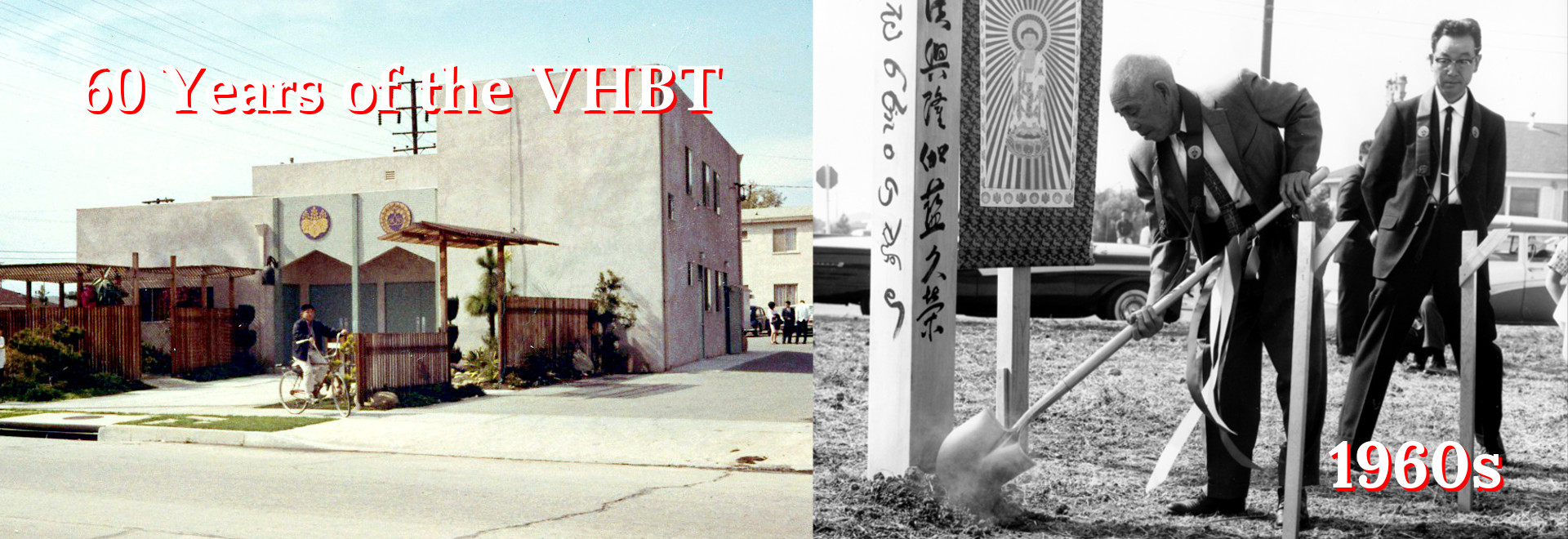
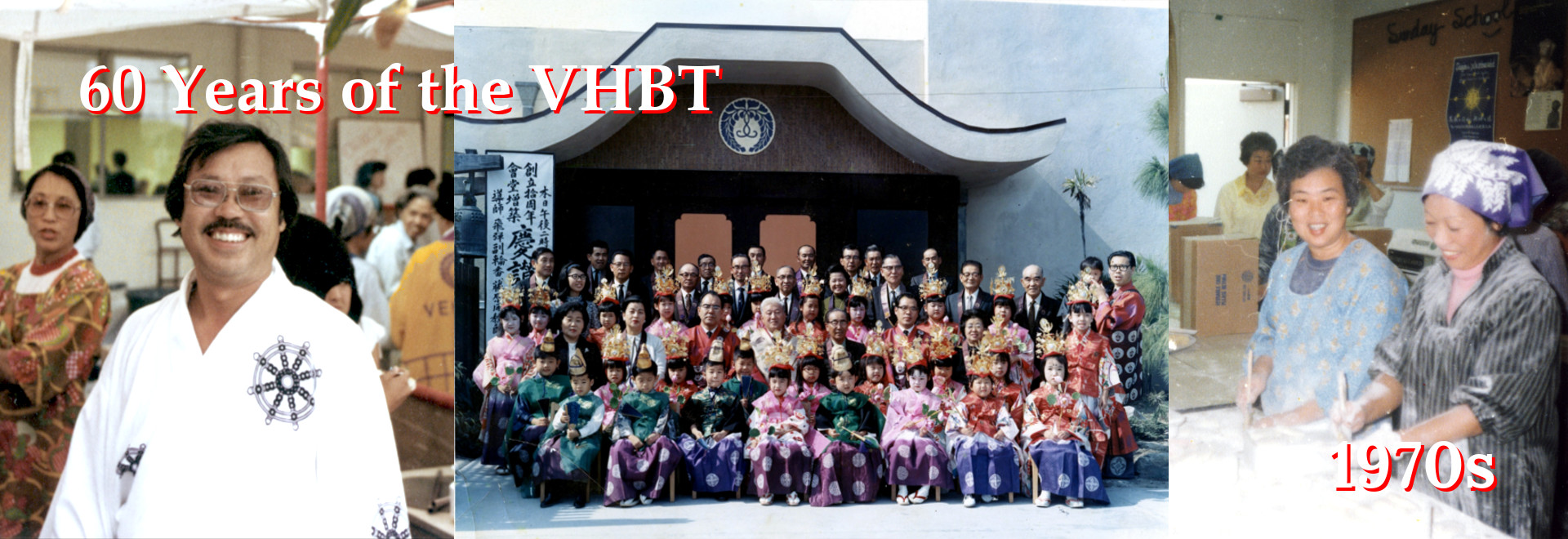
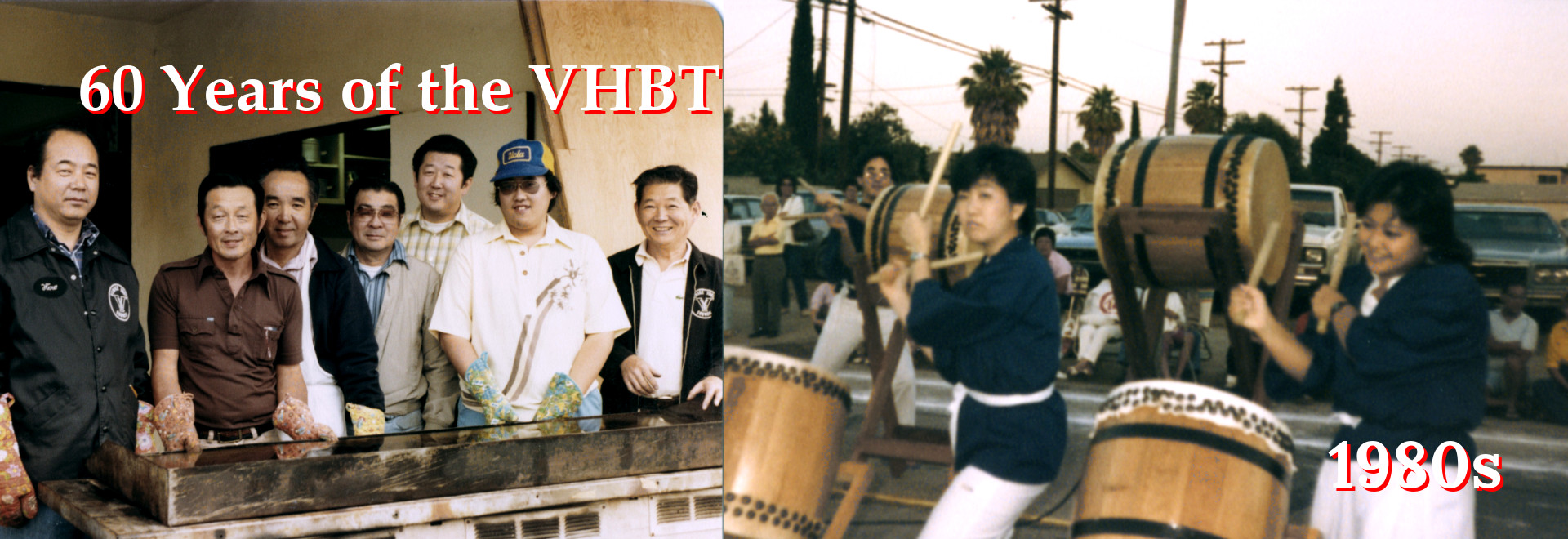
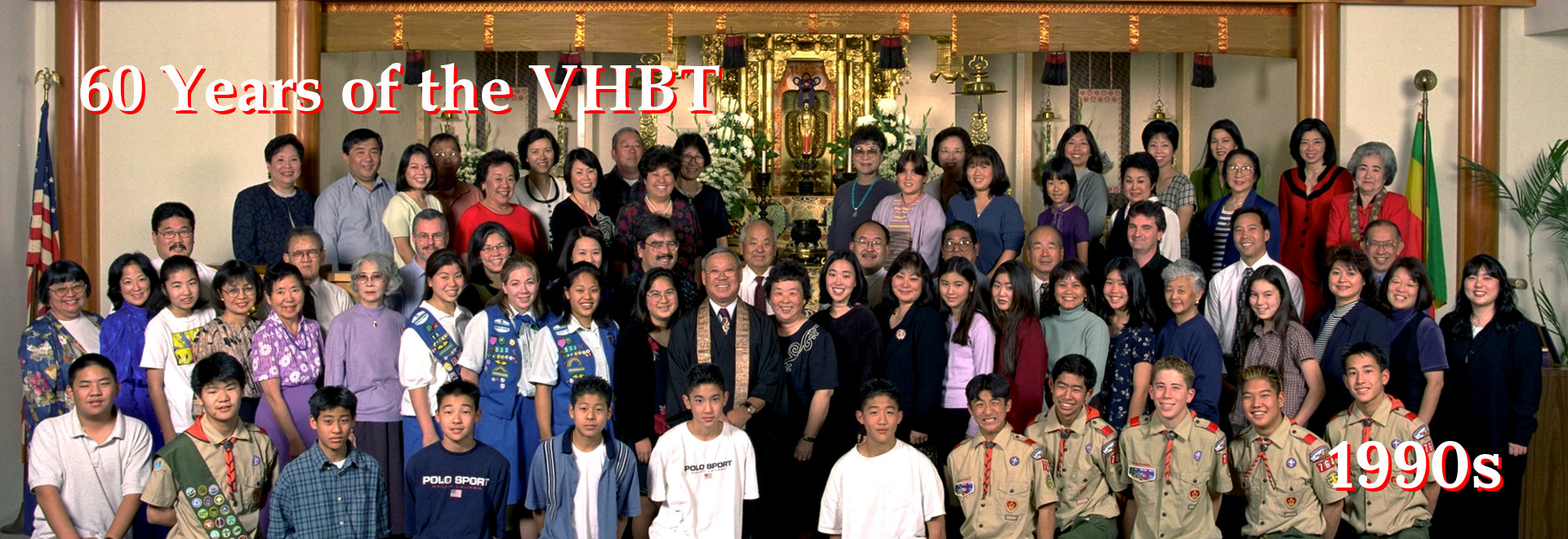
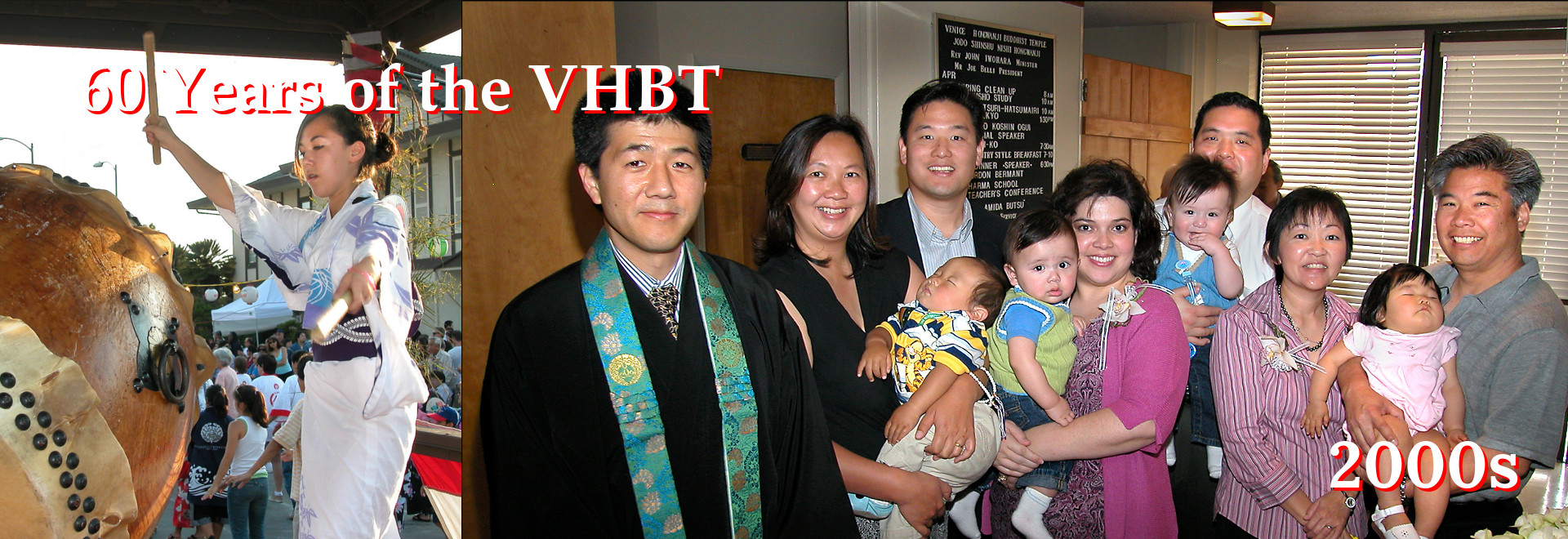
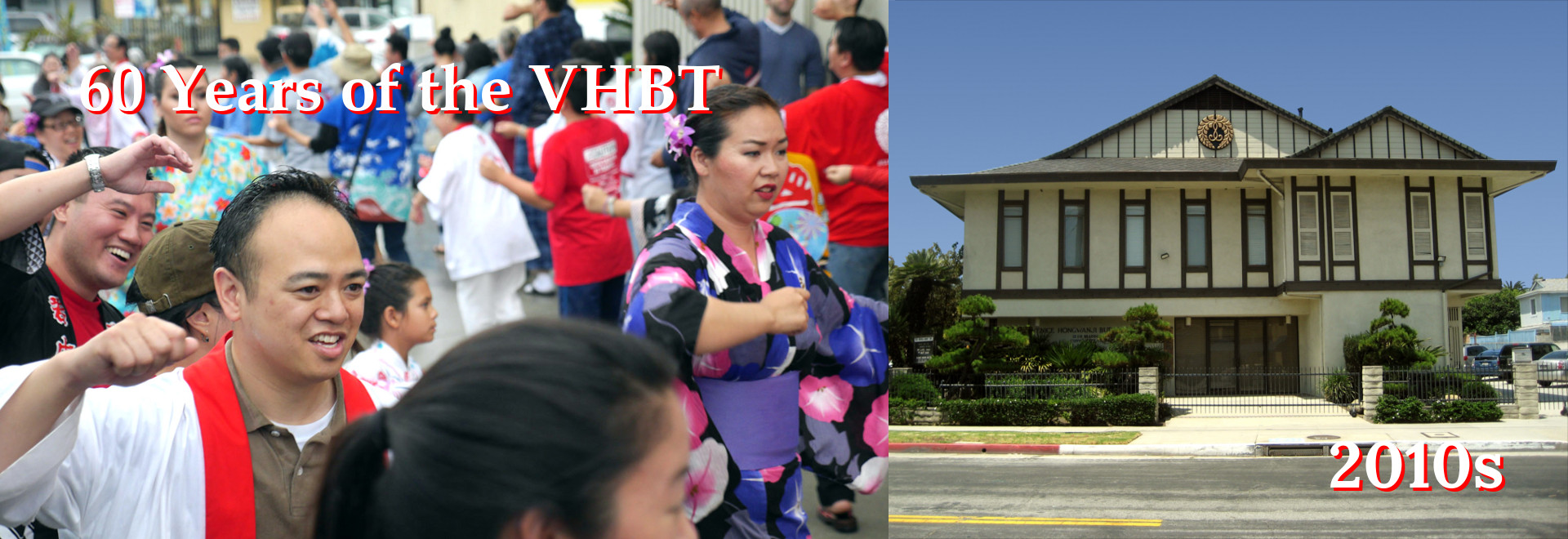
Now is a pivotal time for our temple community. We are preparing to celebrate 65 years as the Venice Hongwanji Buddhist Temple or VHBT. This year is important because we were not able to celebrate the 60th anniversary together in 2020. It will have been 15 years since our last celebration. Buddha’s teachings reminds us to step back from our lives to reflect on value of this moment, but we can’t help but to continue to keep great hope for everyone to be together in 2030 for the 70th or 2035 for the 75th. Who can tell? This year I look to everyone and their families to come together to participate in celebrating the last 65 years as a community. Those that have come for Enlightenment, Family, Friends, Social,… everyone is invited. We will begin this March. I look forward to all the events coming up this year. I hope we can all share not only memories of the past, but also create stronger and deeper bonds for the future. I call upon everyone who have been touched even once by the Light of the Temple in the las 65 years to return and reflect on what you have received and share what you have attained. It is vital not to forget how so many precious moments have helped us all to grow.
Simply, the only thing in our tradition we emphasize is the saying of Nembutsu or Namu Amida Butsu which means to focus Buddha and the teachings while installing them as an essential part of our being. This goal happens through our combined Unity. As our children and families have grown, we need to emphasize that the foundation of Amida’s effort is the pursuit of Pure Equality. How do we uplift everyone while going through this life together? With this question in mind we should call to everyone! “I can do things you cannot, you can do things I cannot; together we can do great things.” (Mother Teresa)
The foundation of the Venice Hongwanji Buddhist Temple is built on the Nembutsu teaching explained by Shinran Shonin and encompasses the premise that everyone needs a place to feel safe and to be accepted.
This is our dance with reality and with ourselves, the rhythm and song of “Namu,” our foolishness, and “Amida Butsu,” the wellspring of boundless compassion that arises from our own deepest, truest reality. Ultimately, even the nembutsu arises not from ourselves, from our own ego, but is experienced as a call from the deepest level of reality, from the depths of our own being, in which the flow of emptiness or oneness is realized in each manifestation of form and appearance. Thus Shinran states, “True entrusting is buddhanature.” The movement of boundless compassion is also known as the Primal Vow of Amida (Japanese, Amida no hongan), the vow to bring all beings to the realization of oneness, spontaneously arising from the depths of existence. The nembutsu expresses our receiving this deep vow to liberate and realize oneness with all beings, because all beings are the self. It is an expression of deepest gratitude, that our lives are sustained within the larger web of interdependence. We are sustained by those who help provide for our livelihood, food, shelter, family, and friendships, and at a deeper level we are naturally moved to express our appreciation for our shared suffering in life and death, our mutual illumination in foolishness and compassion, our oneness in the path that takes us beyond life and death. This is Namu Amida Butsu.
The Original Buddhist Rebel. Rev. Dr. Mark Unno
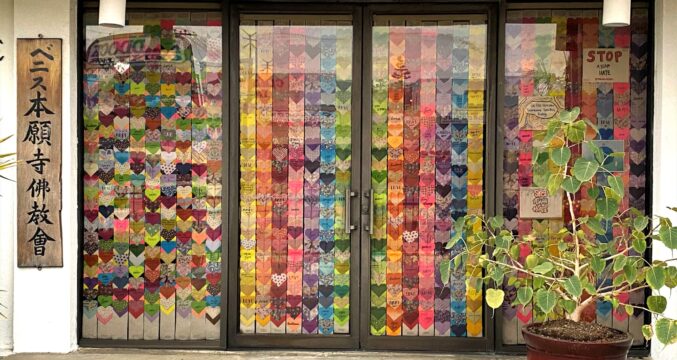
I recognize that we need to open the doors to let people in. Let me explain. The temple is always open. People used to come at all hours. It was truly a second home. Even though they do not spend as much of their spare time here as before, I hope you know that the door is always open, and it is here waiting for you. Henry Ford said “Coming together is a beginning. Keeping together is progress. Working together is success.” Let us all connect and invite everyone. In the end we will look back to say, “We did it!” with joy in our hearts.
As we observe this may our hearts change to know the value of Unity through the Nembutsu teaching. Our human selves then give it more value. Our appreciation grows. When we are awakened of anger, ego, and attachments in our daily lives, let us get through them together in Gassho and let them go. In celebrating together, I hope you can find Happiness and Joy!
Namo Amida Butsu
In Gratitude and Appreciation,
Rev. Kory Quon
February, 2024